Our society is a complex interrelated system comprising of various strands of culture, connections and social structures.
Understanding the dynamics that shape our communities and the world around us will give us a clearer idea of our roles and duties in the larger society framework. In this blog, we will take a close look at the different aspects of society, examining how social structures, cultural norms, and current events influence our lives.
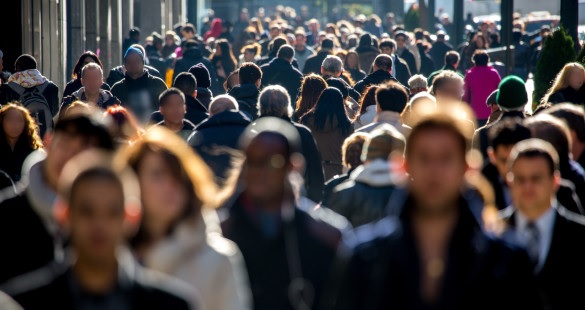
Understanding The Very Foundations of Society
At the core of every society are its foundational structures: family, education, government, and economy. Each one of these structures have an important part to play in shaping social interactions and relationships;
- Family serves as the primary unit of socialization, influencing values and beliefs from an early age.
- Education grants us knowledge and skills, equipping individuals for participation in civic life and the workforce.
- Government establishes laws and norms that guide societal behavior and protect individual rights.
- Economy drives resource distribution and access, impacting quality of life and opportunity.
Knowing how these elements interact can give us an understanding of how our society operates.
Cultural Norms and Values
Cultural norms define the expectations and behaviors the society we are in requires from us. These norms influence everything from communication styles to social practices, shaping our daily interactions.
Exploring cultural diversity reveals both differences and commonalities across societies. While traditions may vary, underlying values—such as respect, community, and empathy—often unite us. Reflecting on our cultural contexts encourages us to appreciate our unique backgrounds while fostering inclusivity and understanding.
Social Issues and Challenges
In today’s society, various significant concerns exist, including inequality, prejudice, mental health crises, and environmental destruction. In order to promote a deeper understanding and inspire action, it is imperative that these topics receive more attention.
- Inequality manifests in various forms—economic, racial, and gender—and demands critical examination.
- Discrimination remains a pervasive issue, affecting marginalized communities and calling for systemic change.
- Mental health awareness is growing, yet stigma and access barriers persist, highlighting the need for compassion and support.
- Environmental challenges require collective action to safeguard our planet for future generations.
Addressing these issues collectively can lead to meaningful progress and a more just society.
The Role of Technology in Society
Technology has fundamentally changed how we interact and communicate, changing society systems.
Technology provides previously unheard-of worldwide communication and information access, but it also brings with it drawbacks like false information and digital isolation. By examining these effects, we are inspired to use technology with awareness and to use it to promote societal change rather than a source of division
Community and Belonging
Both societal cohesiveness and personal wellbeing to some extent depend on having a sense of community. A strong sense of belonging and resilience are fostered by strong social ties and support systems.
Examining the idea of community uncovers a variety of connections, including those made through cultural ties, neighborhood associations, or common interests. Building these relationships can improve our quality of life and make society stronger.
Social Change and Activism
Taking part in activism and social concerns is essential to bringing about constructive change. Community projects and grassroots movements serve as examples of the effectiveness of group effort.
We encourage you to take an active role in the formation of your communities by showcasing successful movements and tactics for successful activism. Every activity, whether it be campaigning, volunteering, or awareness-raising contributes to the greater good.
- Community-based solutions that empower individuals and promote collaboration.
- Sustainable practices that address environmental challenges while enhancing quality of life.
- Educational reforms that prioritize critical thinking, empathy, and civic engagement.
Encouraging forward-thinking allows us to envision a brighter future, where collective efforts lead to lasting change.
Conclusion
Understanding society and our roles within it is essential for informed and engaged citizenship. By exploring social structures, cultural norms, and current issues, we empower ourselves to become active participants in shaping a more just and equitable world. Let’s resolve to build relationships, push for reform, and make constructive contributions to our communities as we consider our obligations. By working together, we can create a society that values inclusivity, empathy, and advancement for all.